

Wall-mounted mirrors have become one of the most important decorative and functional elements in modern interior design. From bathrooms and bedrooms to hotel lobbies and commercial spaces, wall-mounted mirrors not only improve daily convenience but also enhance lighting, enlarge visual space, and elevate the overall atmosphere of a room.
However, many homeowners, contractors, hotel project buyers, and interior designers often ask the same question:
How do you properly install a wall-mounted mirror?
The answer depends on several important factors, including mirror size, weight, style, wall type, installation position, and functional requirements.
As a professional custom mirror manufacturer and source factory, Tengte (Zhangzhou) Crafts Co., Ltd. specializes in producing high-quality bathroom mirrors, framed mirrors, full-length mirrors, LED mirrors, and customized wall-mounted mirror solutions for global customers. This guide explains how to choose, position, and install wall-mounted mirrors safely and professionally for both residential and commercial applications.
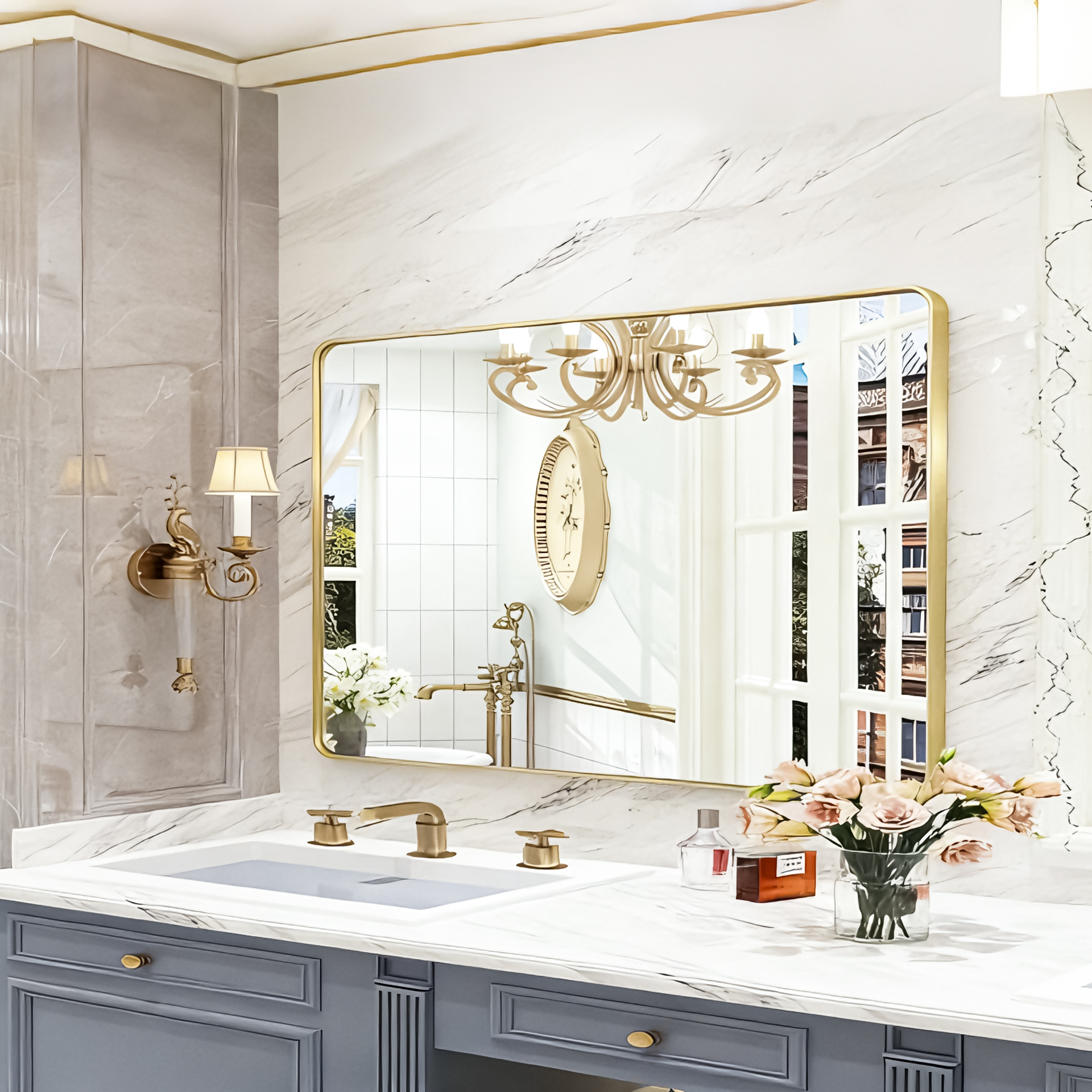
Why Wall-Mounted Mirrors Are So Popular
Wall-mounted mirrors remain one of the most popular mirror types because they combine practicality with modern decorative aesthetics.
Compared with floor-standing mirrors, wall-mounted mirrors offer several advantages:
Save floor space
Improve room brightness
Enhance visual depth
Create cleaner interior layouts
Provide safer commercial installation
Support smart mirror functions
Today, wall-mounted mirrors are widely used in:
Bathrooms
Hotels
Apartments
Makeup rooms
Entryways
Living rooms
Retail stores
Restaurants
Commercial projects
As a professional mirror manufacturer, Tengte (Zhangzhou) Crafts Co., Ltd. supplies various wall-mounted mirror styles for international markets.
Step 1: Choose the Right Wall-Mounted Mirror Size
Before installation, selecting the correct mirror size is extremely important.
A mirror that is too large may overwhelm the room, while a mirror that is too small may appear visually unbalanced.
Bathroom Mirror Size Selection
For bathroom applications, the mirror width should usually be slightly smaller than the vanity width.
General recommendations include:
| Vanity Width | Recommended Mirror Width |
|---|---|
| 24–30 inches | 20–24 inches |
| 36–42 inches | 28–36 inches |
| 48–60 inches | 40–48 inches |
The installation height should also allow comfortable daily use.
Most bathroom mirrors are installed:
5–10 inches above the sink
At eye level for average users
Centered with the vanity
As a professional bathroom mirror manufacturer, Tengte (Zhangzhou) Crafts Co., Ltd. supports customized mirror sizes for residential and hotel projects.
Large Mirrors for Commercial Spaces
Hotels and luxury commercial interiors often prefer oversized wall-mounted mirrors because they:
Increase light reflection
Expand visual space
Create luxury decorative effects
Improve customer experience
Large mirrors require stronger installation systems and more precise wall support structures.
Step 2: Select the Right Mirror Style
Different mirror styles require different installation methods and positioning considerations.
Framed Wall-Mounted Mirrors
Framed mirrors are among the most common styles.
Popular frame materials include:
Aluminum alloy
Stainless steel
Iron
Wood
Advantages include:
Stronger structural support
Decorative appearance
Better edge protection
Modern design flexibility
As an experienced framed mirror manufacturer, Tengte (Zhangzhou) Crafts Co., Ltd. provides customized framed mirror solutions for multiple interior styles.
Frameless Mirrors
Frameless mirrors are highly popular in minimalist modern interiors.
They provide:
Cleaner appearance
Modern luxury aesthetics
Better visual openness
However, frameless mirrors require careful edge handling and proper mounting hardware during installation.
LED Wall-Mounted Mirrors
Modern LED mirrors have become increasingly popular in bathrooms and hotels.
Features may include:
Touch sensors
Anti-fog systems
Adjustable lighting
Smart controls
Waterproof structures
LED mirrors require both wall installation and electrical planning.
As a professional LED mirror manufacturer, Tengte (Zhangzhou) Crafts Co., Ltd. offers customized smart mirror manufacturing solutions.
Step 3: Determine the Best Installation Position
Correct placement affects both functionality and visual balance.
Bathroom Installation Position
Bathroom mirrors should be installed:
Centered above the vanity
At a comfortable viewing height
Away from excessive water exposure
Near proper lighting sources
For double-sink vanities, buyers may choose:
One large mirror
Two individual mirrors
The final choice depends on interior style and project requirements.
Entryway Mirror Placement
Entryway mirrors help:
Increase natural light reflection
Create larger visual perception
Improve decorative appeal
Round or decorative framed mirrors are especially suitable for entrance spaces.
Living Room Decorative Placement
In living rooms, mirrors are often used to:
Reflect natural light
Improve room brightness
Create artistic wall decoration
Enhance interior depth
Large wall-mounted mirrors above sofas or console tables are highly popular in luxury interior design.
Step 4: Prepare Installation Tools
Before installation, prepare the necessary tools and hardware.
Basic tools include:
Measuring tape
Pencil
Spirit level
Electric drill
Wall anchors
Screws
Screwdriver
Protective gloves
For heavy mirrors, professional installation is strongly recommended.
Step 5: Measure and Mark the Wall
Accurate measurement is critical for safe and visually balanced installation.
Installation steps include:
Measure mirror dimensions
Mark the center position
Use a spirit level to ensure alignment
Mark screw or bracket locations
Double-check wall symmetry
Improper measurement may cause tilted or unstable installation.
Step 6: Understand Different Wall Types
Different wall materials require different installation methods.
Drywall Installation
Drywall is common in residential interiors.
For heavier mirrors:
Use wall anchors
Locate wall studs when possible
Avoid relying only on drywall screws
Heavy commercial mirrors may require reinforced support structures.
Concrete or Brick Wall Installation
Concrete walls provide stronger support but require:
Masonry drill bits
Expansion anchors
More powerful drilling equipment
Commercial hotel projects often use this installation method.
Tile Wall Installation
Bathroom tile installation requires extra care.
Important considerations include:
Avoid cracking tiles
Use specialized drill bits
Install waterproof sealing if needed
Professional installers often use low-speed drilling for ceramic surfaces.
Step 7: Install the Mounting Hardware
Mounting systems vary depending on mirror type.
Common installation methods include:
D-ring hooks
French cleats
Hidden brackets
Screw-mounted systems
Adhesive-assisted support
Heavy mirrors should always use reinforced mounting hardware.
As a professional custom mirror factory, Tengte (Zhangzhou) Crafts Co., Ltd. provides secure mounting structures designed for international safety standards.
Step 8: Hang and Secure the Mirror
Carefully lift and position the mirror onto the mounting hardware.
For large mirrors:
Two-person installation is recommended
Avoid excessive pressure on corners
Check stability after mounting
After installation:
Verify level alignment
Confirm mounting stability
Clean the mirror surface
Step 9: Connect Electrical Components for LED Mirrors
For LED wall-mounted mirrors, electrical installation should comply with local safety regulations.
Professional electricians should handle:
Power connections
Waterproof wiring
Switch installation
Smart function setup
Safety is especially important in bathroom environments.
Common Mistakes to Avoid
Many installation problems occur because of poor preparation.
Avoid these common mistakes:
Incorrect wall measurements
Weak mounting hardware
Ignoring wall type differences
Improper height placement
Overloading drywall support
Unsafe electrical installation
Professional planning greatly improves both safety and aesthetics.
Why Mirror Quality Matters for Installation
High-quality mirrors are easier and safer to install.
Poor-quality products may cause:
Frame deformation
Weak mounting points
Reflection distortion
Corrosion problems
Transportation damage
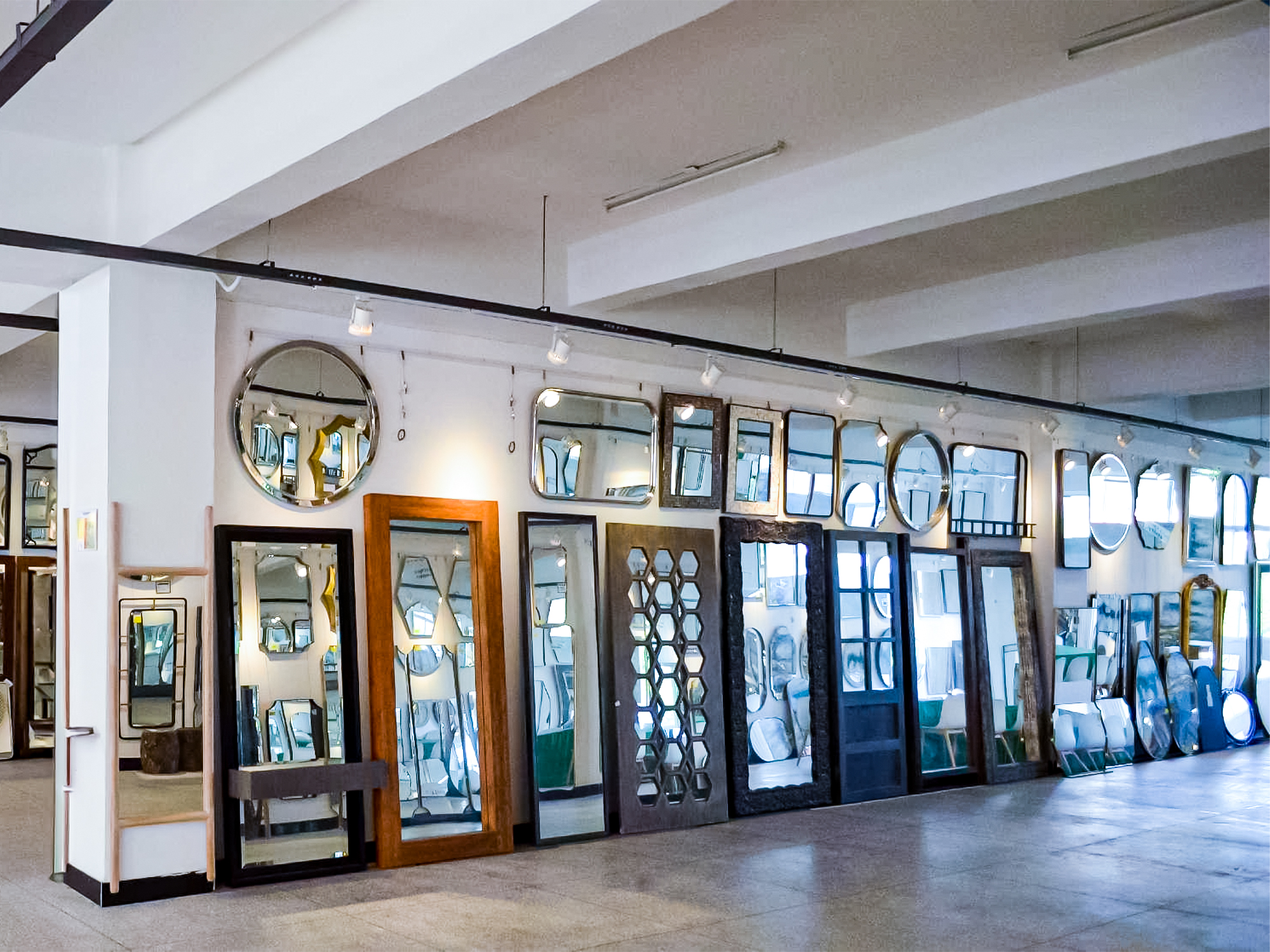
As a trusted mirror manufacturer in China, Tengte (Zhangzhou) Crafts Co., Ltd. maintains strict quality control during production.
The company’s manufacturing advantages include:
Precision glass processing
Durable frame structures
Stable mounting systems
Export-standard packaging
OEM & ODM customization
Professional quality inspection
This ensures safer installation and longer product lifespan.
Why Choose Tengte (Zhangzhou) Crafts Co., Ltd.
As a professional source factory and custom mirror manufacturer, Tengte (Zhangzhou) Crafts Co., Ltd. supplies:
Bathroom mirrors
LED mirrors
Wall-mounted mirrors
Full-length mirrors
Framed mirrors
Decorative mirrors
Hotel project mirrors
Customized mirror solutions
The company provides complete OEM & ODM manufacturing support for wholesalers, importers, hotel contractors, furniture brands, and e-commerce businesses worldwide.
With advanced manufacturing capability and strong export experience, Tengte (Zhangzhou) Crafts Co., Ltd. helps global buyers improve product competitiveness and project quality.
Conclusion
Installing a wall-mounted mirror correctly requires careful planning of size, style, wall type, placement position, and functional requirements.
A properly installed mirror not only improves daily functionality but also enhances interior aesthetics, lighting performance, and spatial perception.
Whether for bathrooms, hotels, apartments, or luxury commercial projects, working with a professional mirror manufacturer ensures better product quality, safer installation, and stronger long-term performance.
As a reliable custom mirror factory, Tengte (Zhangzhou) Crafts Co., Ltd. continues to provide high-quality wall-mounted mirror solutions for global markets through advanced manufacturing, flexible customization, and professional service support.
